
Smart Import Solutions X68-i Digital Signage Players - Copy
- Availability: In stock (264)


Product description
- Brand:Smart Import Solutions
- EAN:4897089840681
- Article number:X3568-i
- Availability: In stock (264)
Here is the English translation of the text:
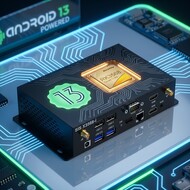
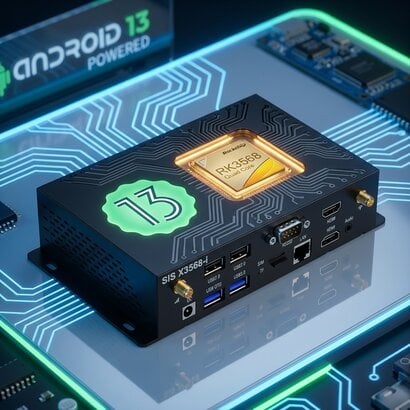
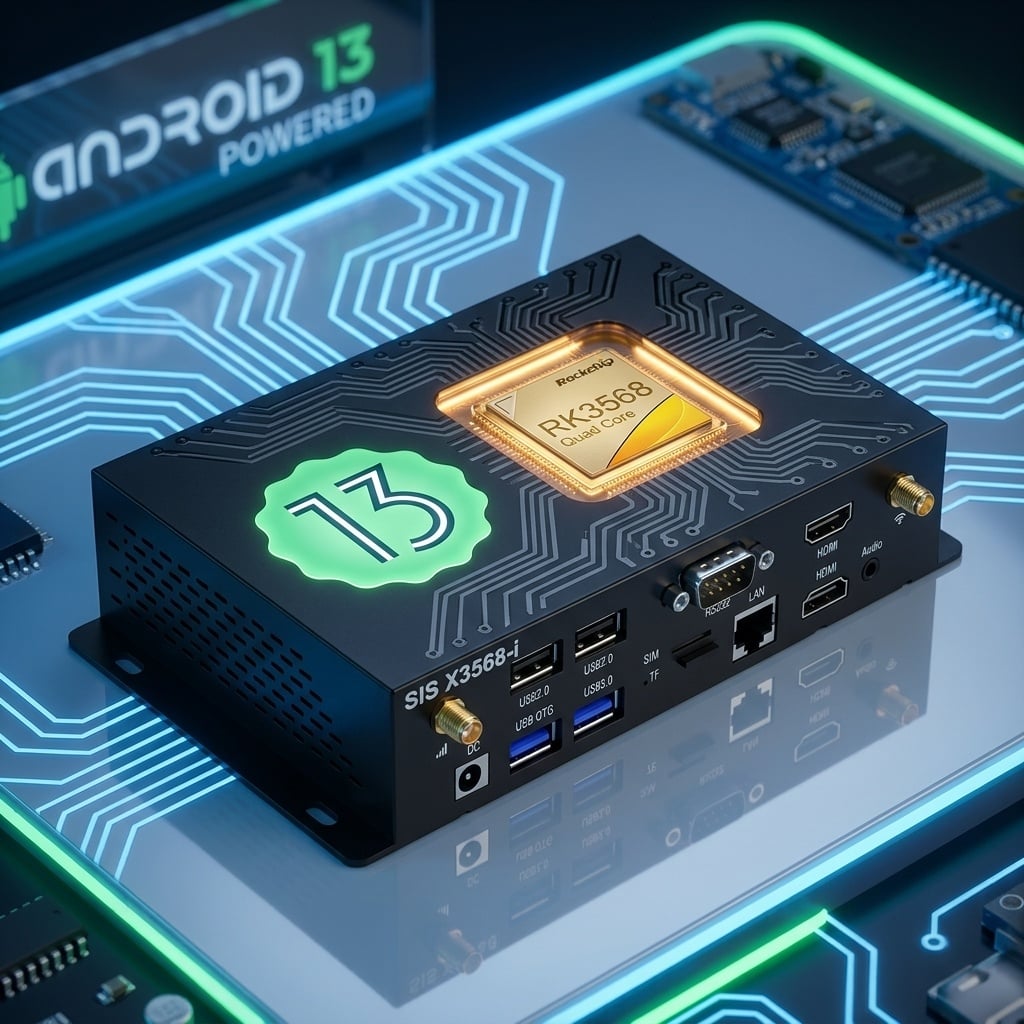
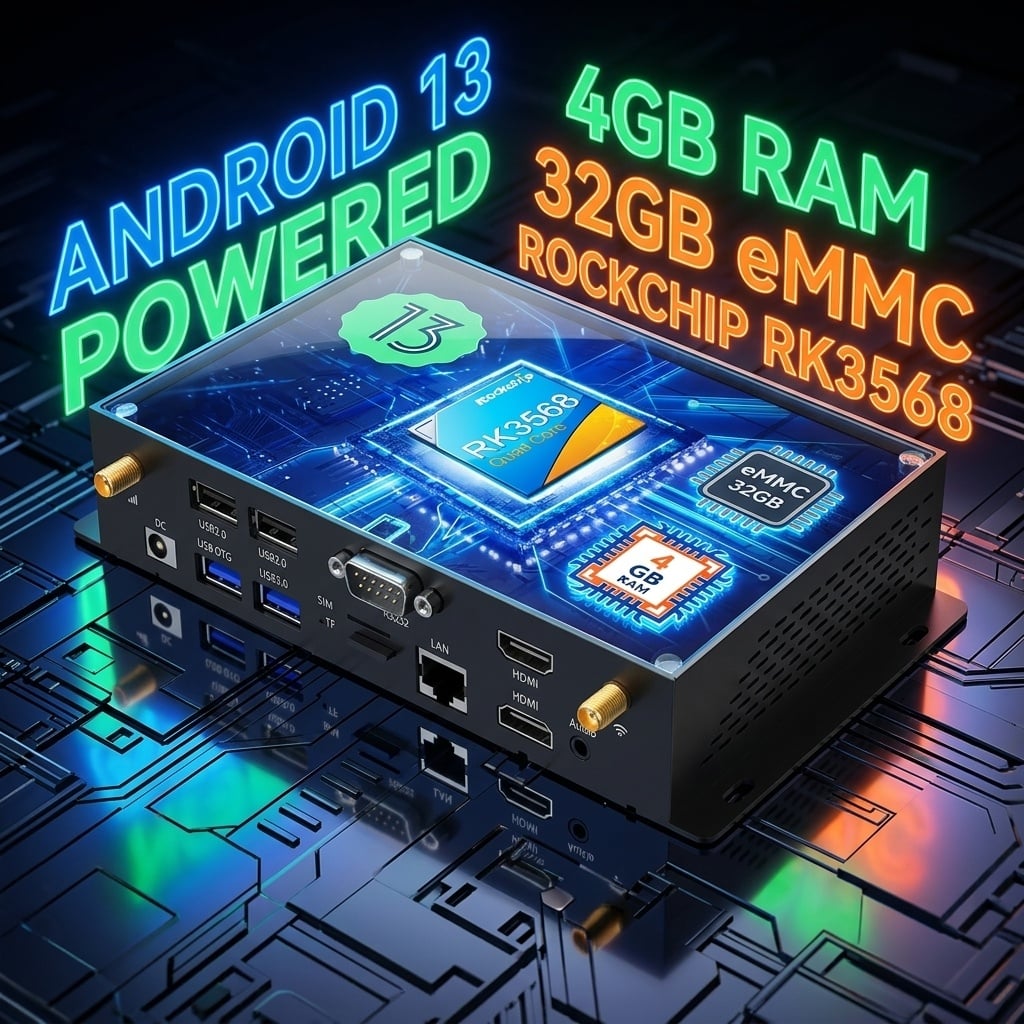
The RK3568 is currently one of the strongest successors to the outdated RK3399 in the digital signage market. While the RK3399 was the standard for mid-to-high-end signage for years, the RK3568 offers a more modern architecture, lower TDP, better OS support, and specific hardware features that make it tailor-made for multi-display applications.
Hardware & Specification Comparison
Why the RK3568 on Android 13 with Dual HDMI is a Strong Alternative
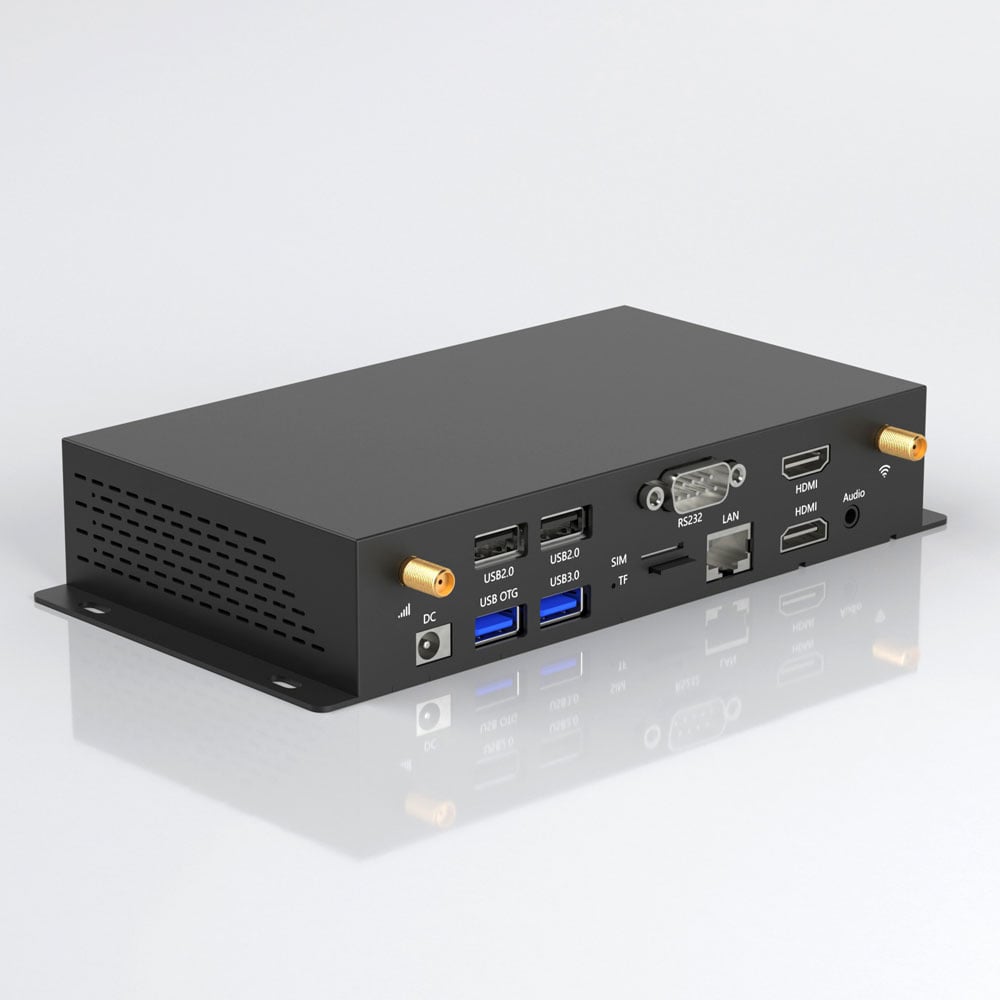
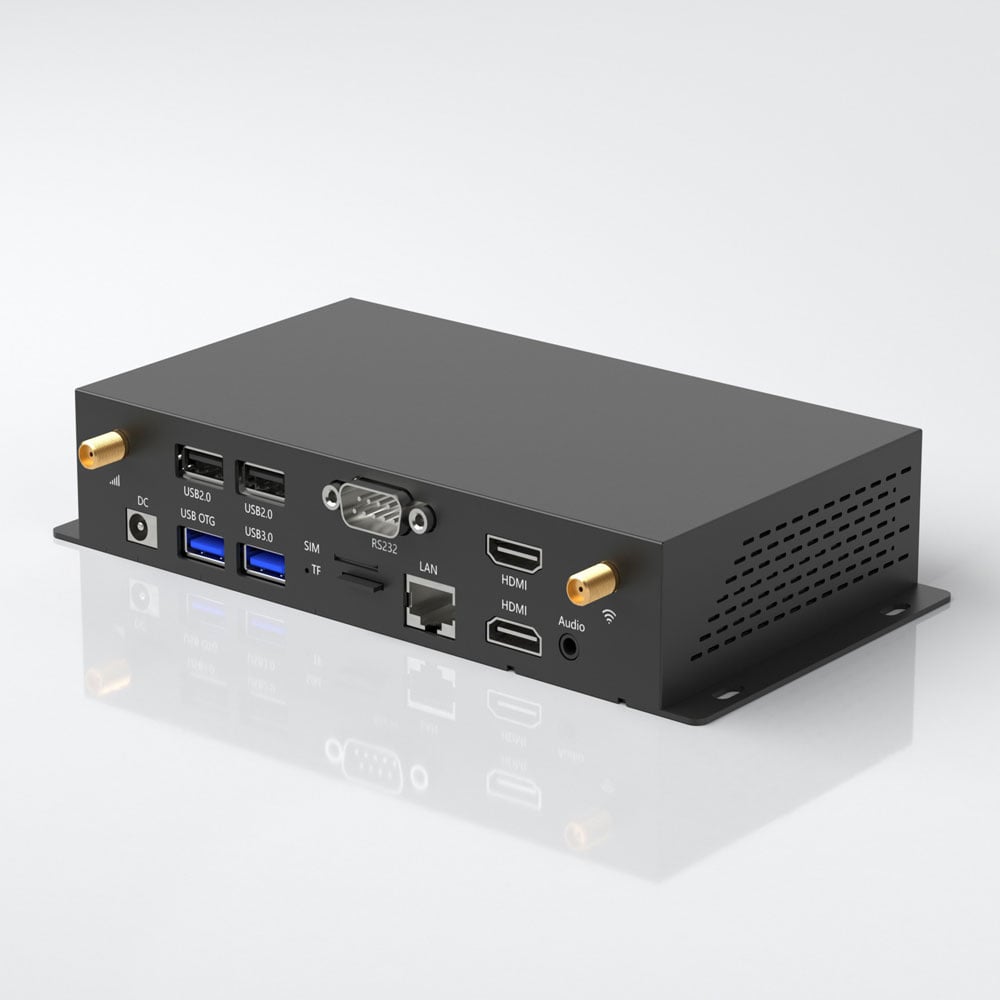
Independent Dual-Screen Output (2x HDMI)
Many outdated signage players require external HDMI splitters or video wall controllers to drive two displays.
With two physical HDMI ports on the RK3568, you can drive two screens independently (Dual Display / Extended Mode) or mirrored from a single player. This saves hardware costs, power outlets, and cabling for applications such as side-by-side menu boards, double-sided window displays, or shopping malls.
Android 13 Support (Future-Proof & Secure)
-
API Compatibility: Modern Digital Signage CMS apps (such as Android-based media players) increasingly require newer Android versions (Android 10+). The RK3399 remains stuck on older Android versions that are being phased out by many enterprise CMS vendors.
-
Security & Permissions: Android 13 offers more advanced management for storage and network permissions, which is essential for B2B networks where security audits are conducted on the player.
-
Kiosk Mode / Device Management: In Android 13, Kiosk Mode (app lockdown) and remote management via MDM (Mobile Device Management) are significantly more stable.
Thermal Stability (22nm vs. 28nm)
The RK3399 is known to run quite hot under continuous 4K load (Cortex-A72 cores generate a lot of heat). The RK3568 is built on a 22nm process with efficient Cortex-A55 cores.
-
Passive Cooling: Can easily be deployed fanless in sealed enclosures behind screens.
-
24/7 Reliability: Less heat translates to a longer lifespan for the storage (eMMC) and power supply.
HTML5 & Web-Based CMS Performance
With the Mali-G52 GPU and the improved memory controller (support for LPDDR4/LPDDR4x), the RK3568 handles heavy HTML5 animations, dynamic price lists, and social media widgets more smoothly than the aging Mali-T860 in the RK3399.
Favorable TCO (Total Cost of Ownership)
The RK3568 is a newer SoC from Rockchip positioned below the high-end RK3588, yet it is much more cost-effective feature-wise than the aging RK3399. You get 4K decoding capabilities, dual-screen support, and a modern OS at a significantly lower price per unit.
Conclusion
For digital signage projects where you need to drive two screens simultaneously from a single compact player, the RK3568 running Android 13 strikes the ideal balance: you retain the 4K performance of the RK3399 while gaining significantly in OS security, thermal management, power consumption, and interface capabilities.
Reviews
Related products
Recently viewed